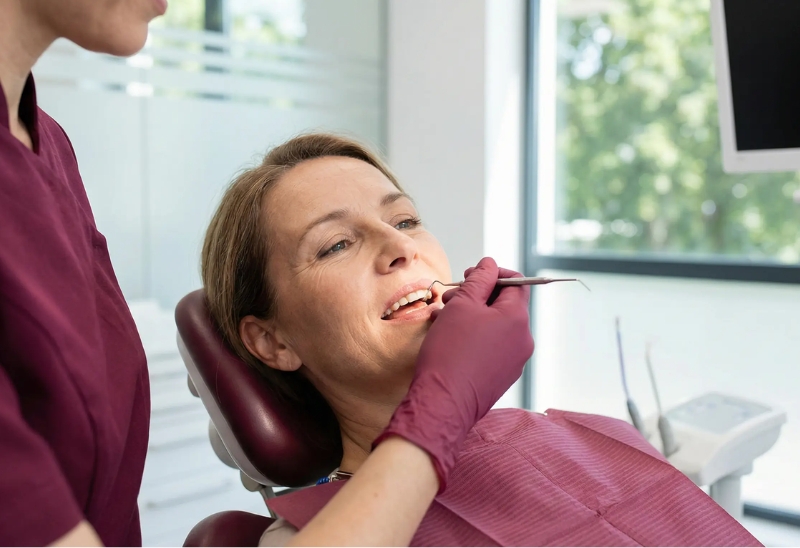



In our daily practice in Asistencia Dental Plus, At our dental clinic in Valencia, we are seeing more and more patients who consult us about jaw discomfort, tooth wear, or headaches that, after examination, are related to... bruxism.
It often appears during periods of stress, personal changes, or particularly demanding stages.
Bruxism —unconsciously clenching or grinding your teeth— It can go unnoticed for a long time, but if it is not addressed in time it can affect both oral health and general well-being.
That's why we always emphasize the importance of detecting it early.
Contenido
Stress and jaw tension: a frequent relationship
The mouth often reflects many of the tensions of daily life. When we go through periods of stress, Whether due to worry or overload, it is common for that tension to transfer to the jaw muscles.
In our practice, we frequently see patients who clench their teeth without realizing it, both during the day and while they sleep.
Sometimes it's detected by discomfort upon waking, other times because their partner hears the nighttime grinding, and in many cases we are the ones who identify the signs during a check-up.
Stress is not the only cause of bruxism, but it is one of the factors that most contribute to intensifying it.
Signs we usually detect in consultation
Bruxism does not always produce obvious symptoms at first.
However, there are signs worth considering:
- Jaw pain or stiffness upon waking.
- Recurring headaches, especially in the morning.
- Tooth sensitivity for no apparent reason.
- Wear or small fractures in the teeth.
- Temporomandibular joint (TMJ) discomfort.
- Sensation of facial or cervical tension.
Often the patient normalizes these symptoms, but a professional assessment allows the origin to be identified and timely action to be taken.
What can happen if it is not treated?
When bruxism persists for months or years, it can lead to significant consequences.
In our clinical experience, the most common ones are:
- Progressive wear of tooth enamel.
- Dental fractures or fractures of fillings and crowns.
- Persistent facial muscle pain.
- Overload on the temporomandibular joint.
- Changes in bite and chewing function.
Early detection allows for conservative solutions and avoids more complex treatments.
How we address bruxism in the clinic
Every case is different, so the approach is always personalized. After a thorough clinical evaluation, we may recommend measures such as bite splints, habit management, guidelines to reduce muscle strain, or regular follow-up.
Our goal is not only to protect teeth, but also to improve patient comfort and prevent future complications.
Prevention and checkups: the best tool
Bruxism is often detected during routine checkups, even before the patient notices any clear symptoms. That's why we emphasize not waiting until you experience pain to seek medical advice.
Preventive dentistry allows you to anticipate problems, take care of your oral health, and avoid major issues.
If you experience jaw discomfort, consult us at our clinic in Valencia.
If you've noticed jaw pain, tooth wear, or suspect you might be clenching your teeth, at Asistencia Dental Plus we can help you with a Bruxism treatment in Valencia tailored to your case.
At Asistencia Dental Plus, your dental clinic in Valencia, we work under rigorous clinical protocols and have the DentalQuality® Certificate of Dental Excellence a recognition that endorses our commitment to the quality, prevention and personalized attention.
You can contact us at the 963 16 26 56 or request your appointment through our contact. We would be delighted to assist you in taking care of your oral health with peace of mind and confidence.