

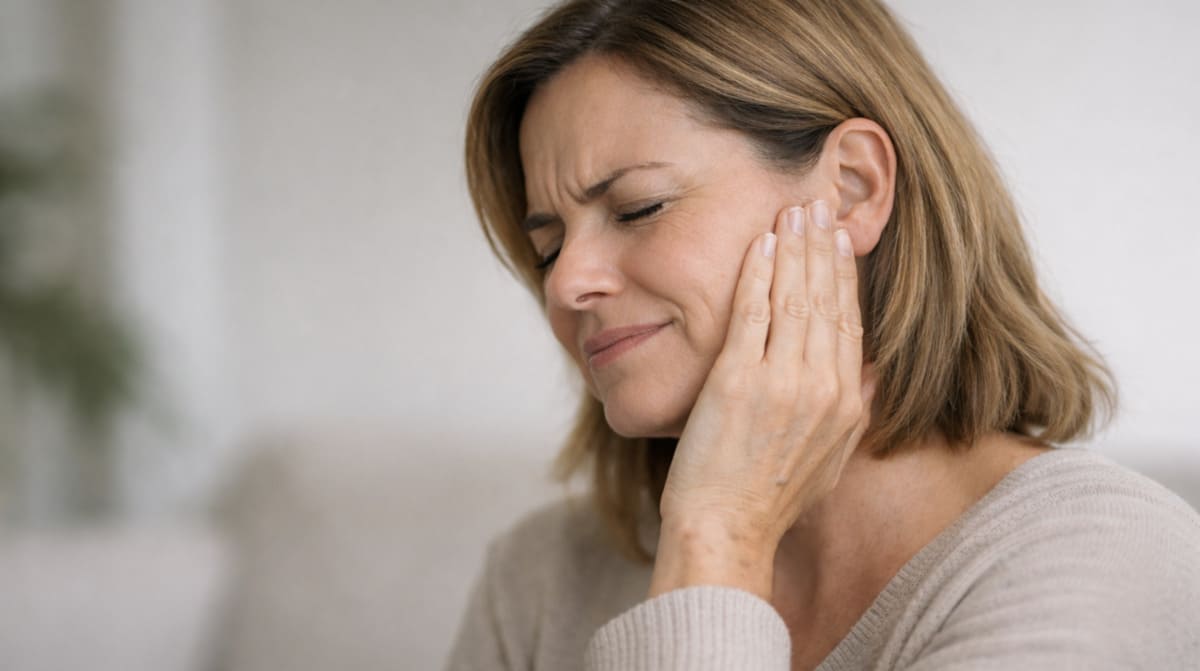
He bruxism It is an involuntary habit that consists of clenching or grinding teeth, especially at night. It often goes unnoticed, but it can cause tooth wear, fractures, headaches, jaw tension, and even temporomandibular joint (TMJ) problems.
In Asistencia Dental Plus We have specialists who diagnose and treat bruxism in a personalized way. Through a detailed study with digital technology, we assess the origin of the problem and We design the most suitable solution for you.
Monday to Friday:
9:00 - 14:00 and 16:00 - 20:00
He bruxism It can have varying degrees of intensity and does not always manifest in the same way. In some patients, it appears as tooth wear; in others, as jaw pain, muscle tension, sensitivity, headaches, or discomfort in the temporomandibular joint.
Therefore, before prescribing a treatment, in Asistencia Dental Plus we carried out a personalized assessment This involves analyzing the condition of the teeth, bite, jaw muscles, and any signs of overload. The goal is to protect the teeth, reduce associated discomfort, and prevent the problem from worsening.
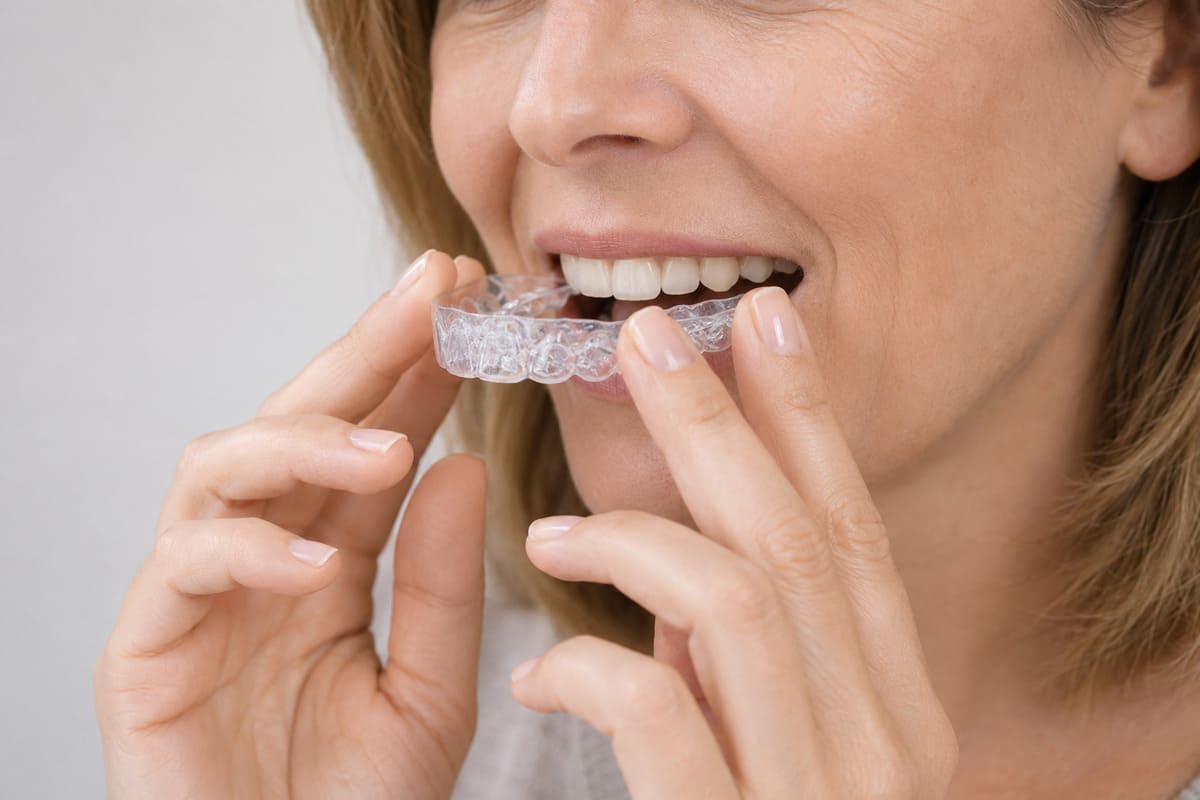
The occlusal splints They are one of the most common treatments for controlling the effects of bruxism. They are custom-made for each patient and are usually worn at night, when teeth clenching or grinding often goes unnoticed.
Their main function is to prevent direct contact between teeth, reduce tooth wear, and better distribute the forces of biting. They can also help reduce strain on the jaw muscles and the temporomandibular joint.
Unlike generic splints, a custom splint is tailored to the patient's mouth and requires regular checkups to ensure it still fits correctly.
In some cases, bruxism cannot be controlled with a mouthguard alone. It may be necessary to combine dental treatment with complementary measures aimed at reducing muscle tension and improving jaw function.
Depending on the case, jaw relaxation exercises, guidelines to avoid clenching habits during the day, specialized physiotherapy, or assessment of the temporomandibular joint may be recommended if there are clicking sounds, pain when opening the mouth, or limited movement.
These measures do not replace dental diagnosis, but they can help improve the evolution of treatment when there is a significant muscle load.
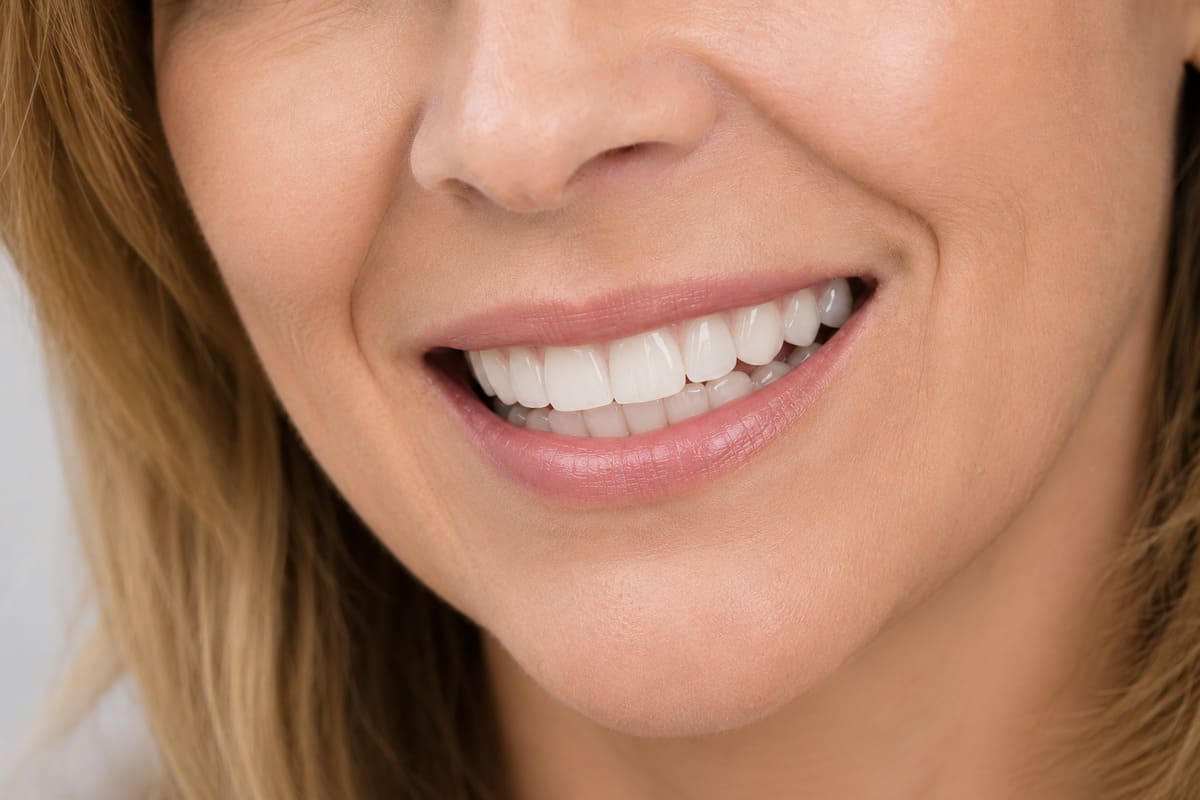
When bruxism persists for a long time without treatment, it can lead to advanced wear, cracks, fractures, or loss of tooth height. In these cases, in addition to controlling the bruxism, it may be necessary to evaluate a... dental rehabilitation to restore the form, function, and aesthetics of the affected parts.
The type of restoration will depend on the degree of wear and the condition of each tooth. Restorative treatments, aesthetic reconstructions, inlays, crowns, or other solutions may be considered, always after stabilizing the problem and properly planning the bite.
It is important not to rebuild worn teeth without first controlling the cause of the wear, because bruxism could damage the restorations again.
Protects teeth from wear: It helps prevent continuous rubbing from damaging the enamel and altering the natural shape of the teeth.
Reduces jaw overload: A well-fitted bite splint can help to better distribute forces and reduce pressure on the jaw.
Helps prevent dental cracks and fractures: Constant clenching can weaken teeth and also affect fillings, crowns, or veneers.
Improves muscle tension control: In some patients, the treatment helps reduce discomfort in the facial, jaw, or cervical muscles.
Prevent the problem from spiraling out of control: Detecting bruxism and checking it periodically allows action to be taken before tooth wear becomes more severe.
If we haven't answered your question, you can contact us using the following form: