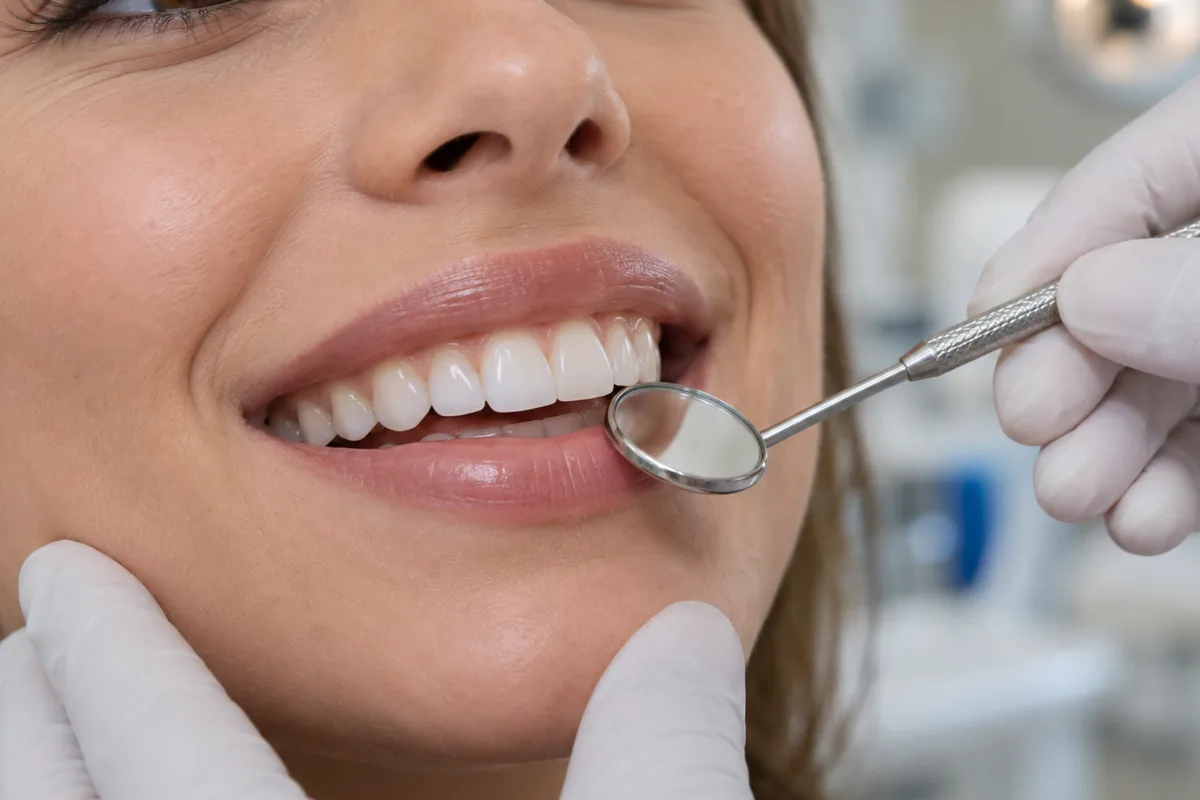



Maintaining some healthy teeth It doesn't just depend on brushing daily. Oral health is also related to how we brush, cleaning between teeth, diet, daily habits, and regular checkups.
A well-cared-for mouth helps prevent tooth decay, gum inflammation, tooth sensitivity, enamel erosion and other problems that, if not detected in time, may require more complex treatments.
In Asistencia Dental Plus, At our dental clinic in Valencia, we work with a preventative approach to help you take care of your teeth and gums in a personalized way, adapting each recommendation to your age, your habits and the actual condition of your mouth.
Content
Why is it important to take care of your teeth every day?
Daily prevention is key to preserving your teeth for longer. Many dental problems don't appear overnight; they develop gradually. An initial cavity, bleeding gums, or mild sensitivity may seem like minor annoyances, but they should be addressed.
When hygiene is insufficient or there are habits that damage teeth, plaque can accumulate, tartar can form, gums can become inflamed, or enamel can weaken. Therefore, taking care of your mouth is not just about avoiding pain, but about maintaining a healthy oral environment. good oral health before complications arise.
1. Brush your teeth properly, not just more often
Brushing your teeth is essential, but doing it often isn't very effective if the technique isn't right. It's best to brush carefully, without rushing and without applying too much pressure.
A aggressive brushing It can damage enamel, promote gum recession, and increase tooth sensitivity. Therefore, it's best to use a suitable toothbrush, make gentle movements, and pay attention to all areas of the mouth: the outer surface, the inner surface, the chewing surfaces, and the gum line.
It is also important to use a Fluoride toothpaste, Unless otherwise directed by your dentist, fluoride helps strengthen enamel and contributes to preventing cavities.
If you notice sensitivity, bleeding, or discomfort while brushing, it's not advisable to change your technique without a checkup. There may be gum inflammation, wear, cavities, or an area that needs examination.
2. Clean between your teeth too
The toothbrush doesn't always reach the spaces between teeth properly. Therefore, even if brushing is done correctly, food particles and plaque can remain between the teeth.
The interdental cleaning It helps prevent cavities between teeth, gum inflammation, and tartar buildup. Depending on the case, it can be done with dental floss, interdental brushes, or a water flosser, always following the proper technique.
This point is especially important if you have teeth that are very close together, wear braces, have bridges, implants, dentures, or areas where food accumulates easily.
When you experience bleeding while flossing or using interdental brushes, it doesn't always mean you should stop using them. Often, it can indicate gum inflammation or plaque buildup. If this happens frequently, it's advisable to have your gums checked with a dental assessment. periodontics.
3. Take care of your diet and reduce sugar between meals
Diet also influences dental health. It's not about banning foods, but about understanding how certain habits affect enamel and gums.
Frequent consumption of sugar, sugary drinks, juices, sodas, or sticky foods can increase the risk of cavities, especially if consumed between meals. Frequency is important: it's not just how much sugar you consume that matters, but how many times a day your teeth are exposed to that sugar.
It's also advisable to be careful with highly acidic foods and drinks, such as some soft drinks, energy drinks, or acidic juices, as they can contribute to... enamel erosion if they are consumed frequently.
A balanced diet, good hydration, and proper hygiene after meals help maintain a healthier mouth. If cavities, fractures, sensitivity, or lesions are already present, the conservative dentistry It allows us to assess how to address the problem, trying to preserve the natural piece whenever possible.
4. Avoid habits that damage teeth and gums
Some everyday habits can affect your teeth without you even realizing it. Biting pens, opening packages with your teeth, cutting thread, biting ice, or using your teeth as tools can cause small cracks, fractures, or wear.
It's also advisable to avoid brushing too hard and using abrasive products without professional guidance. Some whitening toothpastes or home remedies can damage enamel if used improperly.
Tobacco is another significant risk factor for oral health. It can promote gum inflammation, hinder healing, increase the risk of periodontal disease, and alter the appearance of teeth and gums. Furthermore, it can mask some signs of inflammation, allowing the problem to progress without such obvious symptoms.
If you notice Tooth wear, sensitivity, cracks, or discomfort when chewing, It is advisable to check the cause before the problem progresses.
5. Attend regular dental checkups
Even if there's no pain, dental checkups are essential. Many cavities, gum problems, or wear and tear begin silently and are only detected during a professional examination.
A checkup allows us to assess the condition of your teeth, gums, bite, any existing restorations, and oral hygiene. It also helps determine if you need a professional cleaning, periodontal monitoring, a restoration, or a specific home care plan.
The frequency of checkups doesn't have to be the same for everyone. Some patients may need more frequent checkups due to a history of cavities, periodontal disease, orthodontics, implants, prostheses, dry mouth, or difficulty maintaining adequate oral hygiene.
Prevention not only avoids problems. It also allows for simpler and more conservative treatment if a problem does arise.
Taking care of your teeth today helps prevent problems tomorrow.
Keeping your teeth healthy for longer requires consistency, but also common sense. Brushing well, cleaning between teeth, maintaining a healthy diet, avoiding harmful habits, and attending regular checkups These are simple measures that can make a big difference.
If it's been a while since you've had your mouth checked, if you notice sensitivity, bleeding gums, pain when chewing, or have doubts about your daily hygiene, a professional assessment can help you prevent complications and take better care of your oral health.
At Asistencia Dental Plus, in Valencia, we can guide you with a personalized review and explain what care is most suitable for your case.
You can contact us at the 963 16 26 56 or request your appointment through our contact page. We'd be delighted to help you take care of your smile with peace of mind and confidence.