

Holidays often bring changes in schedules, travel, eating out, and more flexible routines. However, when it comes to oral health, there are certain habits that are also important to maintain during the summer.
One of them is the Use of the occlusal splint in patients with bruxism.
In Asistencia Dental Plus, Dental clinic in Valencia, We frequently see patients using splints for protect your teeth of teeth clenching or grinding. Although it may seem less important on vacation, not using it for several days or weeks can contribute to this. appearance of jaw discomfort, sensitivity or tooth wear.
The occlusal splint It's not a one-off accessory, but a A protective tool that helps reduce the consequences of bruxism and take care of your oral health in the long term.
Content
What is the function of a bite splint?
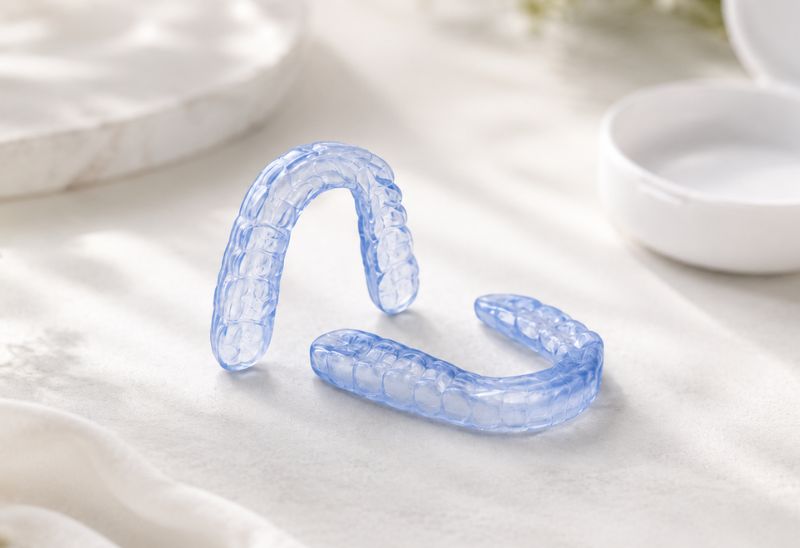
A night guard is a custom-made device that is usually worn at night. Its main function is to protect the teeth from involuntary clenching or grinding, preventing excessive pressure on the teeth.
In patients with bruxism, this pressure can cause enamel wear, small fractures, muscle overload, jaw pain, or discomfort in the temporomandibular joint.
The splint does not eliminate the cause of bruxism on its own, but it does help control its effects and prevent complications.
Why you shouldn't stop using it on vacation
During the holidays many people change their routines: they go to bed later, sleep in different places, eat out, drink more alcohol or accumulate fatigue from travel and changes in pace.
Although we associate vacations with rest, these changes can also influence jaw tension. In some patients, bruxism can even increase due to sleep disturbances, accumulated stress, or a lack of proper rest.
Not using the splint for several weeks can cause the teeth to be exposed to excessive pressure again during the night.
What can happen if you don't use it for days or weeks?
Not using a bite guard occasionally doesn't always cause an immediate problem, but when it's abandoned for a prolonged period, symptoms such as the following may appear:
- Jaw pain or stiffness upon waking.
- Tooth sensitivity.
- Headache or neck pain.
- Increased tension in the facial muscles.
- Progressive tooth wear.
- Risk of small fractures in teeth, fillings or crowns.
In many cases, the patient does not notice the grinding while sleeping, but does perceive its consequences upon waking or during the day.
That's why it's important not to wait until pain appears to resume using the splint.
How to care for your splint during a trip
If you're traveling, it's best to always carry the splint in its protective case. Avoid storing it loose in your toiletry bag or wrapped in paper, as it could easily become deformed, break, or get lost.
It is also advisable Clean it after each use. To clean it properly, rinse it with cold or lukewarm water and gently brush it with a special splint brush, separate from the one you use for your teeth. You can use neutral soap, avoiding abrasive toothpastes, as these can scratch the surface.
Afterwards, rinse it thoroughly, dry it carefully, and always store it in its box, preferably in a well-ventilated area. It should not be exposed to heat sources, such as direct sunlight, the inside of a car, or very hot water, as this could cause it to warp and no longer fit properly.
A deformed splint may no longer fit properly and lose effectiveness.
When should you check the splint fit?
The bite splint should be checked periodically to ensure it still fits properly and performs its function correctly.
It is advisable to request an assessment if You notice that the splint moves, is too tight, is worn out, has become deformed, or no longer fits as it used to. Also, if they have appeared jaw discomfort, pain upon waking, or sensitivity dental.
During the consultation we can check the condition of the splint, assess the wear and tear and review whether it is still suitable for your current situation.
Bruxism and prevention: the importance of follow-up
Bruxism can vary over time. There are periods when the symptoms are more intense and others when they are less noticeable. Therefore, professional monitoring is key to tailoring recommendations to each patient.
The bite splint is part of a preventative approach that seeks to protect teeth, reduce jaw overload, and avoid more complex treatments in the future.
Continuing to use it even on vacation is a simple way to take care of your oral health without interrupting your protection routine.
Do you suspect you may have bruxism?
If you notice jaw pain upon waking, tension in the jaw area, tooth sensitivity, tooth wear, or frequent headaches, it is advisable to have a professional evaluation.
In Asistencia Dental Plus, your dental clinic in Valencia, We can review your case and assess it. If bruxism is present, check if you need a bite guard. personalized or specific follow-up.
Contact us at the 96 316 26 56 or request your appointment through our website. We'd be happy to help you protect your teeth and improve your daily well-being.