


The dental veneers They are one of the most requested treatments among patients; it is a way to preserve the patient's teeth while achieving a spectacular change quickly and safely.
Content
What are dental veneers?
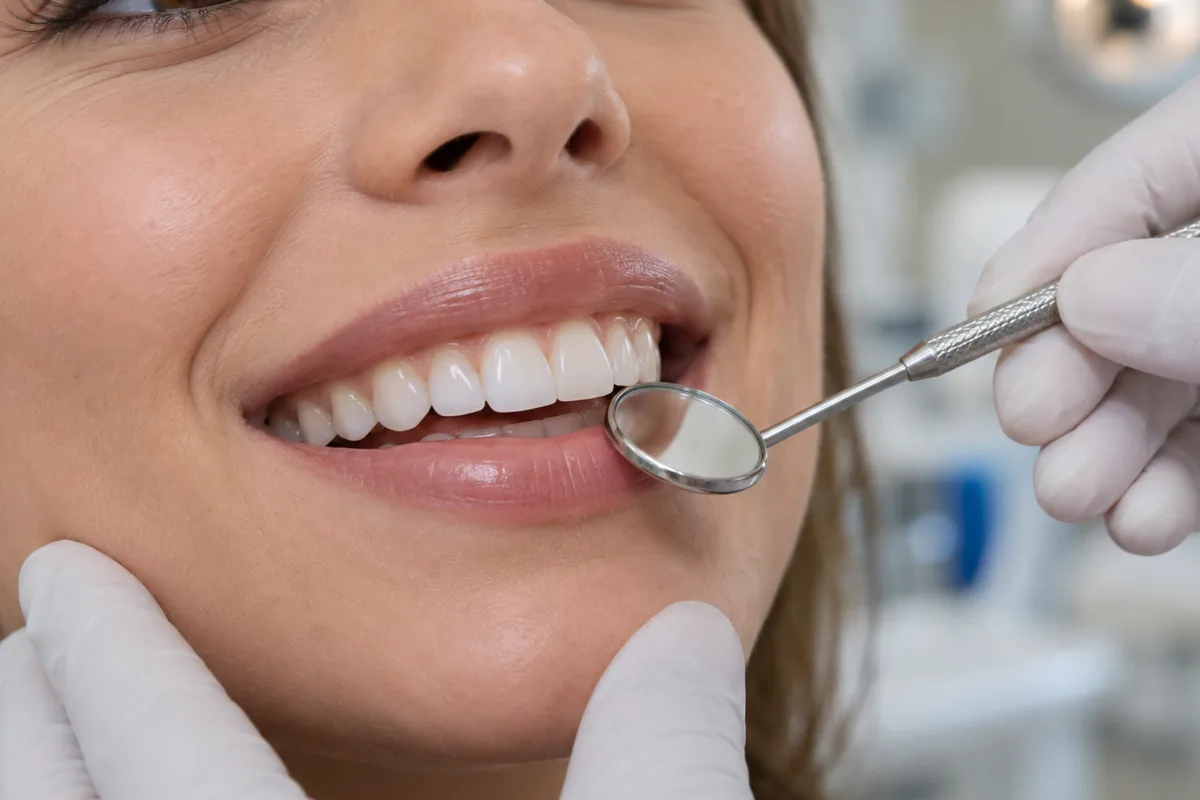
The dental veneers are a cosmetic dental treatment It consists of veneers that cover the visible part of the tooth, to achieve the desired color, size, shape or position of the teeth; it is the denture that patients desire.
In this way, they not only beautify the smile, but also protect the teeth from acids and other aggressions.
Dental veneer treatment
It involves covering the visible part of the teeth to be treated with thin sheets. This gives the teeth their shape and color, as well as the desired position.
This will cover up any unwanted tooth imperfections. However, they cannot be used to correct other oral health problems, as veneers will not improve them.
The treatment of dental veneers It can be done in record time compared to other treatments that can take months and be much more aggressive on the mouth.
Types of dental veneers
Within all veneers, there are two fundamental types: those of porcelain and of composite.
There are ultra-thin dental veneers, injected porcelain dental veneers, porcelain veneers where the manufacturing process is manual, or others with an industrial manufacturing process.
Your trusted dentist should explain the advantages of each type and together you can decide which veneers best suit your needs.
Pros and Cons of Different Materials for Dental Veneers:
We analyze some of the aspects to consider:
- Long-term results: Porcelain dental veneers do not lose their color or shine over time. They remain white and do not darken with the consumption of colored foods (coffee, dark chocolate, tea, red wine, berries, soy sauce, curry, etc.) or with tobacco.
- Duration of dental veneers: porcelain veneers They last longer, around 10 or 15 years. , compared to five years for the composite.
- Resistance to daily life: porcelain is a much harder material, Therefore, porcelain dental veneers are less likely to break.
- Accession: Ceramics offers a better union between the veneer and the tooth enamel.
However, porcelain dental veneers do have some drawbacks that you should be aware of:
- Repair difficulty: If a porcelain dental veneer breaks, We need to request a new one from the laboratory.
- Price: Composite dental veneers are cheaper than porcelain veneers.
As you will see, deciding on dental veneers involves many factors to consider, which is why it is necessary that you come to our clinic, tell us what you have in mind and from there we study your case to advise you on the best solution so that you can show off a radiant smile.
Call us and order your Appointment at Dental Plus, We'd be happy to provide you with the best solution.